Beyond Hallucinations: Managing Agentic AI Liability in Law Firms
April 23, 2026
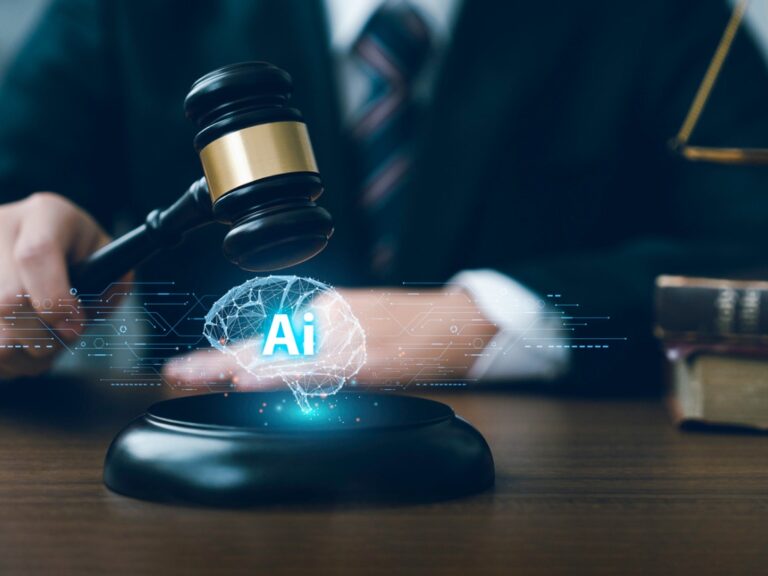
The legal profession is shifting from basic generative tools to agentic AI systems capable of executing complex, multi-step workflows with minimal human intervention. While these tools offer transformative efficiency by managing tasks like case law research and discovery independently, they introduce a paradigm shift in liability, as Scott Cohen writes in a post for ACEDS, the Association of Certified E-Discovery Specialists (ACEDS).
Unlike traditional AI risks tied to a single incorrect output, agentic AI liability stems from “workflow risk,” where a solitary logic error or configuration flaw can propagate undetected across multiple matters at scale.
Regulatory frameworks, including American Bar Association (ABA) Model Rules 1.1 and 5.3, remain technology-neutral: the duty of competence and supervision belongs solely to the lawyer. However, as AI transitions from a drafting assistant to an autonomous actor, traditional oversight becomes harder to define. Firms now face the challenge of supervising continuous, system-driven work rather than discrete human tasks. In the meantime, malpractice insurers are beginning to scrutinize these autonomous workflows, potentially limiting coverage for firms that lack robust verification protocols.
To capture the benefits of this technology while mitigating systemic exposure, forward-thinking law firms are moving away from passive observation toward structured governance. They are treating these autonomous systems as a new class of “junior colleague” that requires specific training, defined boundaries, and constant monitoring.
What law firm leaders should be doing:
- Implement “validation checkpoints”: Replace ad-hoc reviews with mandatory human-in-the-loop triggers at key decision-making stages to prevent errors from compounding.
- Define digital scopes of authority: Set strict “guardrails” within agent configurations to ensure the AI cannot initiate filings or propose revisions that exceed a client’s specific risk tolerance.
- Modernize audit trails: Require AI agents to maintain detailed reasoning logs that track every step of a workflow, ensuring transparency for future malpractice defense or regulatory inquiries.
- Update vendor terms: Negotiate for enhanced audit rights and “explainability” requirements to ensure the firm can trace the logic behind autonomous decisions.
Firms that bridge the gap between autonomous capabilities and rigorous professional oversight will not only safeguard their reputation but also define the new standard for modern legal practice.
Read more articles from the Today’s Managing Partner and ACEDS partnership here.
Get the free newsletter
Subscribe for news, insights and thought leadership curated for the law firm audience.